A PRACTICAL GUIDE FOR PARENTS OF CHILDREN AGED 6–12
How do you choose a book for a child who does not want to read?
Begin with the child, not a list of worthy books: what makes them pause, ask questions, and want to discover one more thing?
THE SHORT ANSWER
Curiosity is a better starting point than pressure.
Look for a story connected to a real interest, let the child sample the opening pages, give them a genuine choice, and begin by reading together when needed.
01 / BEGIN WITH THE CHILD
What do they choose when nobody is telling them what to do?
Animals, space, football, mysteries, experiments, stones, or funny dialogue can all become a doorway into reading.
What do they watch?
Which films or videos do they choose?
What do they ask about?
Which subject makes them talk or look for answers?
What do they collect or make?
Objects and hobbies often point towards the right story.
02 / TRY BEFORE YOU BUY
The first pages tell you more than the cover.
Read two to five pages together. The most useful sign is not perfect reading but wanting to know what happens next.
- 01
Offer two or three books, not ten.
- 02
Let the child choose which sample to open first.
- 03
Take turns, or read the opening aloud.
- 04
Ask what felt interesting, not whether they understood everything.
03 / SEVEN SIGNS OF A GOOD MATCH
A book need not be the easiest. It needs to be accessible.
The subject already attracts them
It connects to a genuine interest.
The opening moves
A question, action, or mystery appears early.
The page feels comfortable
Type, spacing, and paragraph length do not add strain.
There is more than one way in
Pictures, facts, maps, or objects can support the story.
Stopping is possible
Chapters provide small moments of completion.
Reading together feels natural
Support is available without removing choice.
They want to return
The wish to reopen the book matters more than a page count.
04 / DIFFERENT READERS NEED DIFFERENT APPROACHES
The same book can be read in very different ways.
For a reluctant reader
Begin with a short shared reading. An adult can read the narrative while the child chooses a dialogue, fact, or paragraph. Stop while interest is still alive.
For an eager reader
Look for another layer: facts, difficult choices, a subject to research, or another book in the series.
05 / WHAT TO AVOID
Pressure can turn hesitation into resistance.
Do not compare
Another child’s speed does not help this child find their story.
Do not turn every page into a test
Conversation is different from an examination.
Do not promise a miracle
No single book can guarantee a love of reading.
Do not treat stopping as failure
A different topic or format may be the right next step.
06 / HOW MY BOOKS FIT THESE CRITERIA
Adventure, science, and a real crystal offer several ways into one story.
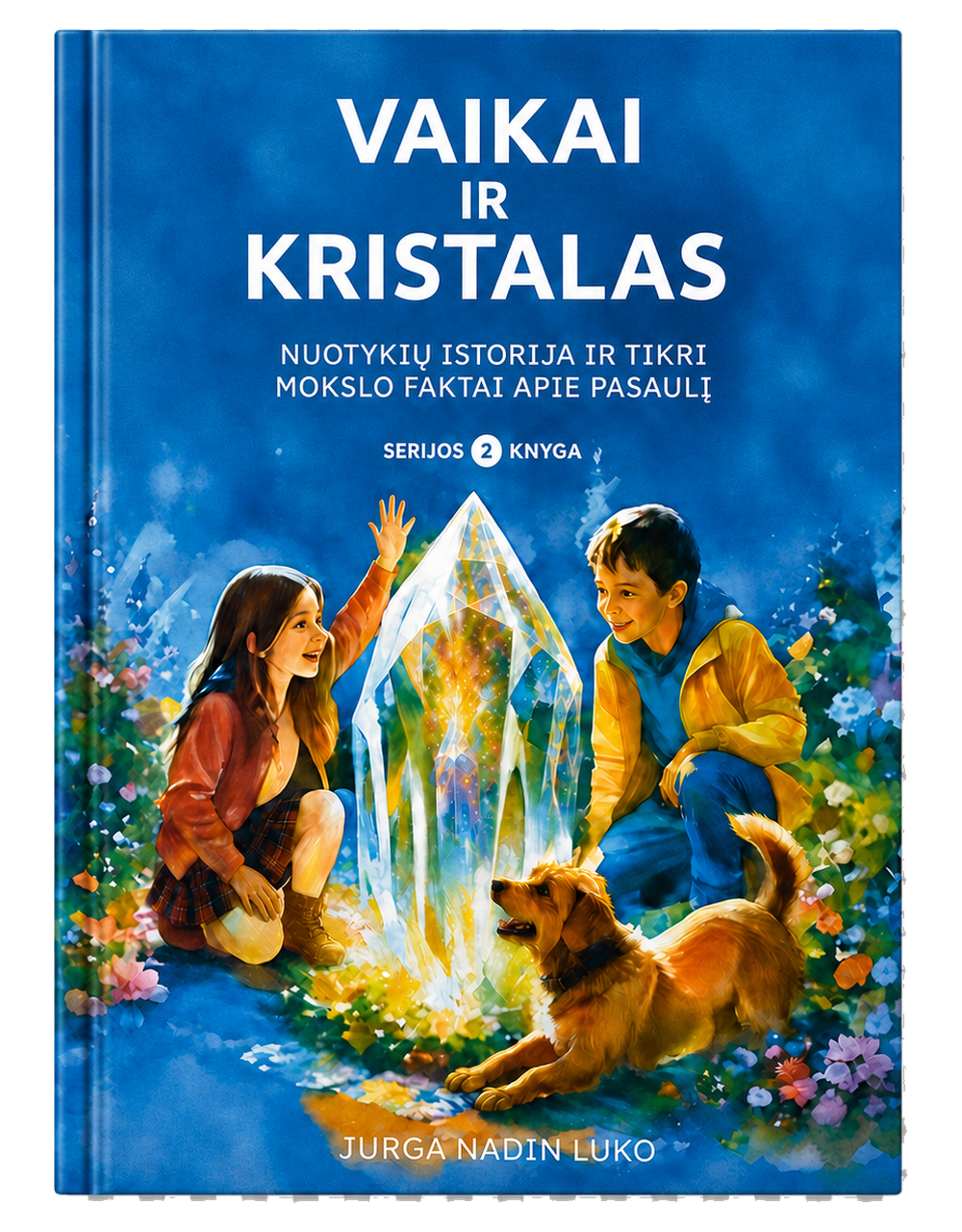
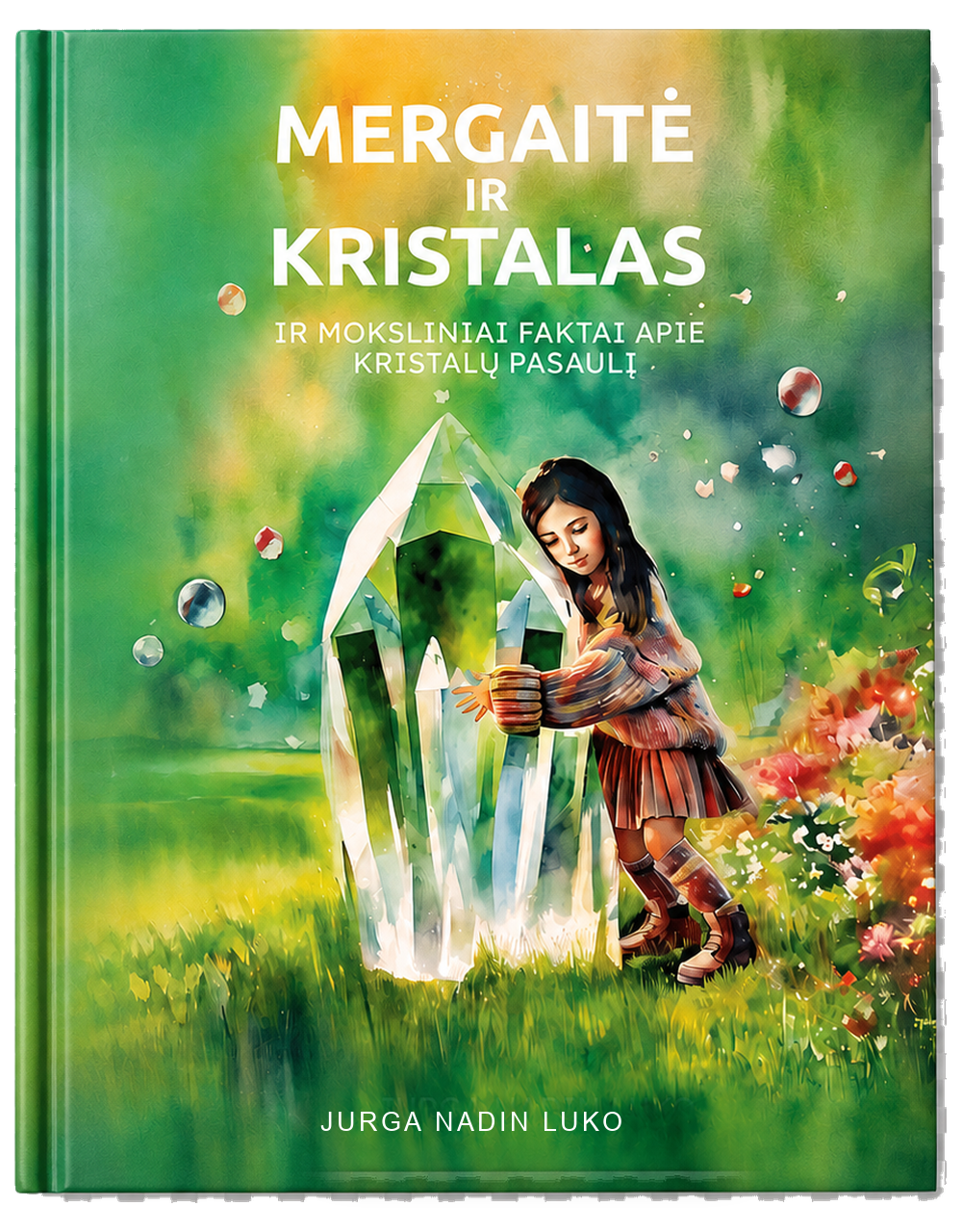
“The Girl and the Crystal” and “Children and the Crystal” may suit children drawn to mysteries, nature, minerals, experiments, or asking “why?”. The story is accompanied by scientific facts and a natural crystal.
This is not a promise that every child will love them. Read the free Lithuanian samples first and use the gift guide to choose by age, interests, and reading habits.

FREQUENTLY ASKED
Short answers for parents
Which book suits a reluctant reader?+
One connected to a genuine interest and whose opening pages feel inviting. Sample it together before buying.
Should I choose the shortest possible book?+
Not necessarily. Clear pages, suitable pacing, and an appealing plot matter more than length alone.
Can I begin by reading aloud?+
Yes. Shared reading can remove pressure and help a child enter the story.
What if the chosen book still does not work?+
Let it go. One mismatch does not mean a child dislikes every book.
SOURCES AND FURTHER READING
National Literacy Trust: book choice and reading for pleasureUS Institute of Education Sciences: developing motivation to readThe goal is not to finish one “correct” book quickly. It is to help a child discover that reading can belong to them.